Healthy Keto Diet Meal Plan for Beginners and Weight Loss
The ketogenic (keto) diet has become one of the most popular eating plans for people looking to lose weight, improve energy levels, and reduce sugar cravings. By significantly reducing carbohydrate intake and replacing it with healthy fats, the body enters a natural metabolic state called ketosis. During ketosis, your body burns fat for fuel instead of carbohydrates, making weight loss more efficient for many people.
If you’re new to the keto lifestyle, getting started may seem overwhelming. The good news is that you don’t need expensive supplements or complicated recipes. This beginner-friendly guide explains how the keto diet works, what foods to eat, what to avoid, and provides a simple meal plan to help you start your weight loss journey.
What Is the Keto Diet?
The keto diet meal plan is a low-carbohydrate, high-fat eating plan designed to shift your body’s primary energy source from glucose (carbs) to fat. Normally, your body uses carbohydrates as fuel. When carbs are limited to around 20–50 grams per day, your liver begins producing ketones from stored fat, which become your body’s alternative energy source.
This process is known as ketosis. Once your body adapts, it becomes more efficient at burning fat throughout the day.
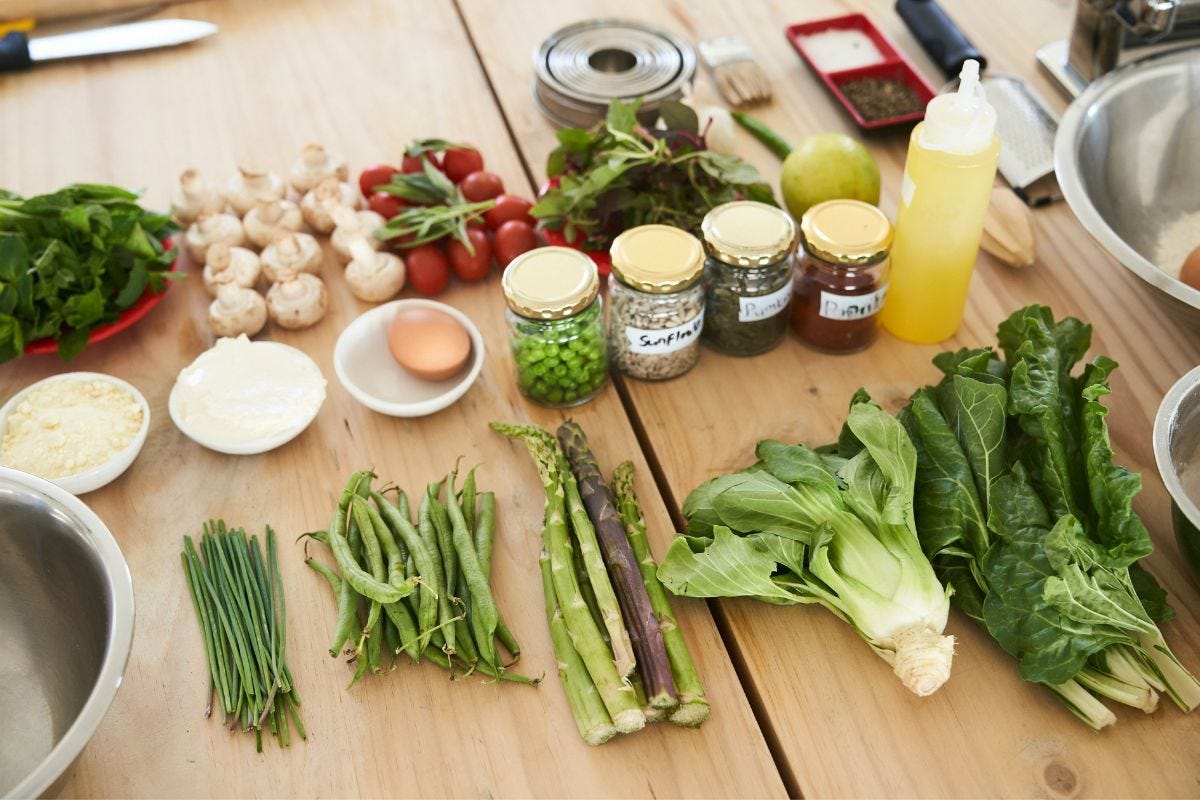
Benefits of a Healthy Keto Diet
Many beginners choose keto because of its impressive health and weight-loss benefits.
Supports Weight Loss
The keto diet encourages your body to burn stored fat for energy. Many people notice steady weight loss, especially during the first few weeks.
Reduces Hunger
Healthy fats and protein help you stay full for longer, reducing unnecessary snacking and overeating.
Improves Energy Levels
After your body adapts to ketosis, many people experience consistent energy without the highs and lows caused by sugary foods.
Helps Control Blood Sugar
Eating fewer carbohydrates may help reduce blood sugar spikes, although anyone with diabetes should consult a healthcare professional before starting keto.
Reduces Sugar Cravings
Since processed sugars and refined carbohydrates are removed, cravings often decrease over time.
Keto Macronutrients for Beginners
A typical keto diet follows these macronutrient guidelines:
70–75% Healthy Fats
20–25% Protein
5–10% Carbohydrates
Focus on eating whole, nutrient-rich foods rather than simply increasing fat intake with processed products.
Foods to Eat on a Healthy Keto Diet
Building your meals around nutritious ingredients makes keto easier and healthier.
Healthy Fats
Avocados
Olive oil
Coconut oil
Butter
Ghee
Cheese
Heavy cream
Protein Sources
Chicken
Turkey
Beef
Lamb
Salmon
Tuna
Eggs
Shrimp
Low-Carb Vegetables
Spinach
Broccoli
Cauliflower
Zucchini
Cucumber
Asparagus
Bell peppers
Lettuce
Nuts and Seeds
Almonds
Walnuts
Pecans
Chia seeds
Flaxseeds
Pumpkin seeds
Beverages
Water
Black coffee
Green tea
Herbal tea
Sparkling water without sugar
Foods to Avoid
To stay in ketosis, avoid foods high in carbohydrates.
Bread
Rice
Pasta
Potatoes
Sugary cereals
Candy
Soft drinks
Fruit juice
Cakes
Cookies
Pastries
Ice cream
Most tropical fruits
Sweetened yogurt
Processed snack foods
7-Day Healthy Keto Diet Meal Plan
Day 1
Breakfast: Scrambled eggs cooked in butter with avocado.
Lunch: Grilled chicken salad with spinach, cucumber, olive oil, and feta cheese.
Dinner: Baked salmon with roasted broccoli.
Snack: Handful of almonds.
Day 2
Breakfast: Greek yogurt (unsweetened) with chia seeds.
Lunch: Lettuce-wrapped turkey burgers with cheese.
Dinner: Beef stir-fry with zucchini and mushrooms.
Snack: Cheese cubes.
Day 3
Breakfast: Omelet with spinach and cheddar cheese.
Lunch: Tuna salad with olive oil mayonnaise.
Dinner: Grilled chicken thighs with cauliflower mash.
Snack: Walnuts.
Day 4
Breakfast: Fried eggs with avocado slices.
Lunch: Cobb salad with bacon, eggs, chicken, cheese, and lettuce.
Dinner: Garlic butter shrimp with asparagus.
Snack: Celery sticks with cream cheese.
Day 5
Breakfast: Cheese omelet with mushrooms.
Lunch: Grilled salmon with mixed leafy greens.
Dinner: Beef meatballs served with zucchini noodles.
Snack: Pumpkin seeds.
Day 6
Breakfast: Keto smoothie made with almond milk, spinach, avocado, and chia seeds.
Lunch: Chicken Caesar salad (without croutons).
Dinner: Roasted chicken with sautéed green beans.
Snack: Pecans.
Day 7
Breakfast: Boiled eggs with sliced avocado.
Lunch: Egg salad lettuce wraps.
Dinner: Grilled steak with roasted cauliflower.
Snack: Cheese slices.
Healthy Keto Snacks
When hunger strikes between meals, choose nutritious low-carb snacks.
Hard-boiled eggs
Cheese sticks
Olives
Mixed nuts
Celery with peanut butter
Cucumber slices
Avocado
Pork rinds (in moderation)
Beef jerky without added sugar
Tips for Keto Success
Starting keto becomes easier with a few simple habits.
Drink at least 2–3 liters of water daily.
Increase your intake of electrolytes like sodium, potassium, and magnesium.
Read nutrition labels carefully.
Meal prep once or twice a week.
Focus on whole foods instead of processed keto products.
Avoid cheating during the first few weeks.
Get enough sleep every night.
Include light exercise such as walking or strength training.
Common Beginner Mistakes
Many new keto followers make avoidable mistakes.
Eating too many carbohydrates.
Not consuming enough healthy fats.
Drinking too little water.
Ignoring vegetables.
Eating excessive protein.
Depending heavily on processed keto snacks.
Giving up before becoming fat-adapted.
Frequently Asked Questions
1. How long does it take to enter ketosis?
Most beginners enter ketosis within 2 to 7 days, depending on carbohydrate intake, activity level, and metabolism.
2. Can I lose weight on keto without exercising?
Yes. Many people lose weight through dietary changes alone, although regular exercise can improve results and overall health.
3. How many carbs should beginners eat daily?
Most beginners aim for 20–50 grams of net carbohydrates per day to maintain ketosis.
4. Can I eat fruit on keto?
Most fruits are high in carbohydrates. However, berries such as strawberries, raspberries, and blackberries can be enjoyed in moderation.
5. Is the keto diet safe?
The keto diet is generally considered safe for many healthy adults, but people with medical conditions, those who are pregnant, or individuals taking certain medications should consult a healthcare professional before starting.
6. What is the keto flu?
The “keto flu” refers to temporary symptoms such as fatigue, headaches, and irritability that some people experience during the first few days as the body adapts to burning fat.
7. Can vegetarians follow a keto diet?
Yes. Vegetarian keto meals can include eggs, cheese, full-fat dairy, tofu, nuts, seeds, avocados, and low-carb vegetables.
Conclusion
A healthy keto diet can be an effective and sustainable way for beginners to lose weight, improve energy levels, and reduce cravings when followed correctly. The key to success is choosing nutrient-dense whole foods, keeping carbohydrates low, eating enough healthy fats, and staying consistent. The 7-day meal plan in this guide offers a simple starting point to help you build healthy habits without feeling overwhelmed. Remember that lasting results come from consistency, proper hydration, balanced nutrition, and a lifestyle you can maintain over the long term.
Ready to start your keto journey? Click the link below to access the complete Keto Meal Plan and begin your weight loss transformation today!
👉 Get Your Keto Meal Plan Here:


Comments
Post a Comment