Keto Diet Meal Plan: What to Eat, What to Avoid, and Why
A keto diet meal plan is a low-carbohydrate, high-fat eating approach that has become popular among people looking for a structured way to manage their food choices and support weight-management goals. The ketogenic diet focuses on reducing carbohydrates while emphasizing fats, moderate protein, and low-carb vegetables.
If you are new to keto, knowing what to eat and what to avoid can make the transition much easier. This guide covers the basics of a keto diet meal plan, including recommended foods, foods to limit, a simple 7-day meal plan, practical tips, frequently asked questions, and a conclusion.
What Is the Keto Diet?
The ketogenic, or keto, diet is an eating pattern that significantly reduces carbohydrate intake while increasing dietary fat. When carbohydrate intake becomes very low, the body can enter a metabolic state called ketosis. During ketosis, the body produces ketones from fat that can be used as an alternative energy source.
A typical keto approach emphasizes foods such as eggs, fish, meat, avocados, nuts, seeds, healthy oils, and non-starchy vegetables.
The exact amount of carbohydrates needed to achieve ketosis can vary between individuals. For this reason, it is important to focus on overall food quality rather than following a one-size-fits-all approach.
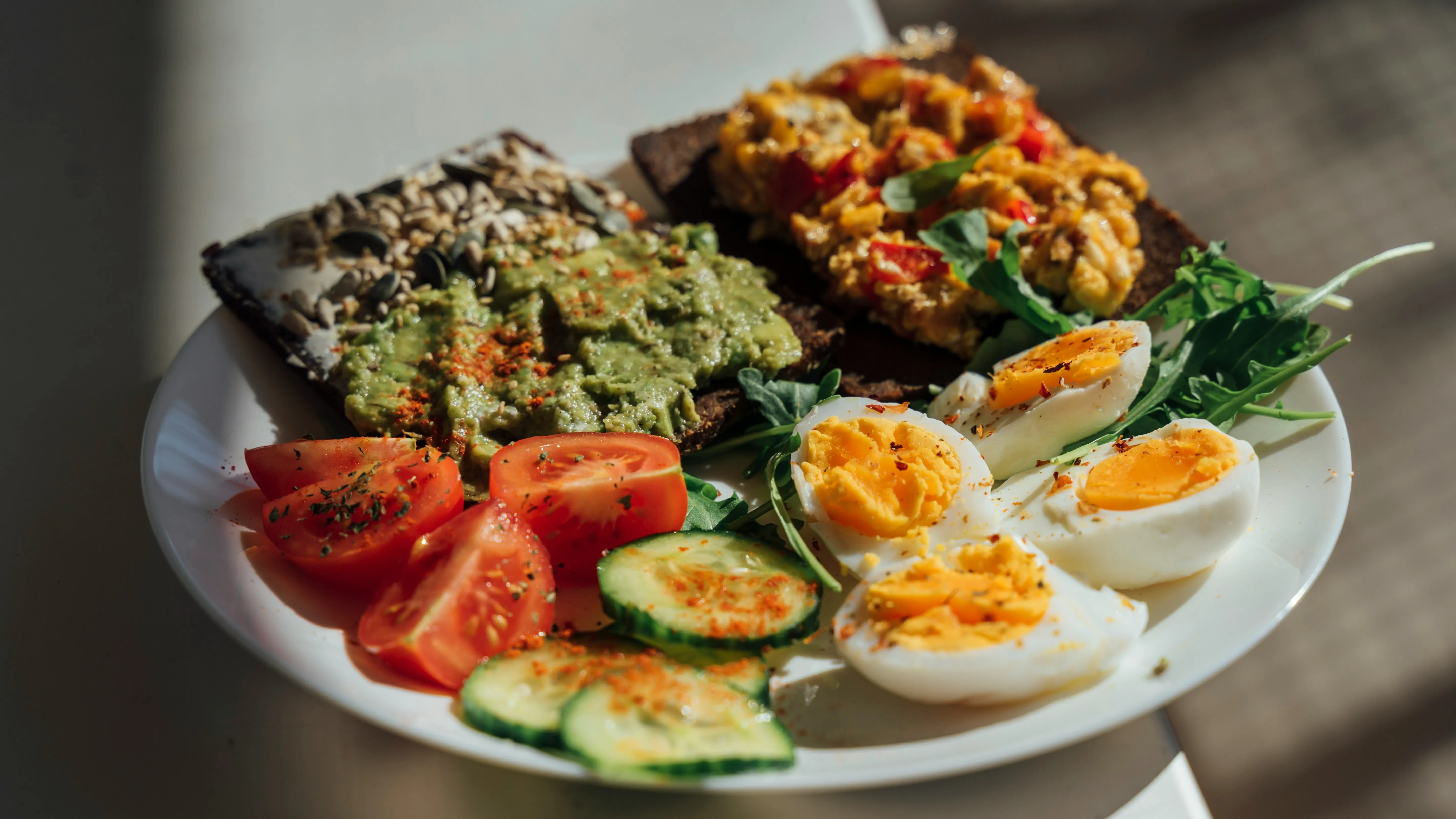 |
| keto diet meal plan |
What to Eat on a Keto Diet
Building a nutritious keto meal plan starts with choosing foods that are naturally low in carbohydrates.
Eggs
Eggs are versatile, filling, and naturally low in carbohydrates. They can be prepared as scrambled eggs, omelets, boiled eggs, or egg muffins with low-carb vegetables.
Meat and Poultry
Chicken, turkey, beef, and lamb can fit into a keto diet. Choose minimally processed options and pair them with vegetables such as broccoli, spinach, cauliflower, or zucchini.
Fish and Seafood
Salmon, sardines, tuna, mackerel, shrimp, and other seafood are excellent options. Fatty fish can also provide omega-3 fatty acids.
Low-Carb Vegetables
Vegetables are an important part of a healthy keto diet because they provide fiber and essential nutrients. Good options include:
Spinach
Broccoli
Cauliflower
Zucchini
Cucumber
Asparagus
Lettuce
Mushrooms
Cabbage
Green beans
Avocados
Avocados are popular on keto because they provide healthy fats and fiber while containing relatively few carbohydrates. Add avocado to salads, eggs, or grilled meats.
Nuts and Seeds
Almonds, walnuts, pecans, chia seeds, flaxseeds, and pumpkin seeds can be enjoyed in moderation. Since they are calorie-dense, paying attention to portions is important.
Healthy Fats
Olive oil, avocado oil, and other suitable fats can be used in cooking and salad dressings. Choosing a variety of minimally processed fat sources can help make meals more satisfying.
What to Avoid on a Keto Diet
Because keto limits carbohydrates, many common foods need to be avoided or significantly reduced.
Sugary Foods
Candy, cakes, cookies, pastries, sweetened cereals, and many desserts are high in carbohydrates and added sugar.
Sugary Drinks
Regular soda, sweetened juices, energy drinks, and other sugar-containing beverages can quickly increase carbohydrate intake. Water, unsweetened tea, and unsweetened coffee are common alternatives.
Bread, Pasta, and Rice
Traditional bread, pasta, noodles, and rice are generally high in carbohydrates. Keto alternatives may include cauliflower rice, zucchini noodles, and specially formulated low-carb products.
Starchy Vegetables
Potatoes, corn, and other starchy vegetables are generally limited on a traditional keto diet because they contain more carbohydrates than non-starchy vegetables.
High-Sugar Fruits
Some fruits, including bananas, grapes, mangoes, and dried fruit, contain relatively high amounts of carbohydrates. Small portions of berries are often easier to incorporate into a keto meal plan.
Sugary Sauces
Ketchup, barbecue sauce, sweet chili sauce, and some commercial dressings may contain added sugar. Check nutrition labels before using packaged condiments.
Simple 7-Day Keto Diet Meal Plan
Here is an easy example of a weekly keto diet meal plan:
Day 1 Breakfast: Scrambled eggs with spinach and avocado Lunch: Grilled chicken salad with olive oil Dinner: Baked salmon with broccoli
Day 2 Breakfast: Mushroom and cheese omelet Lunch: Tuna and avocado lettuce wraps Dinner: Grilled beef with zucchini
Day 3 Breakfast: Boiled eggs with avocado Lunch: Chicken salad with cucumber and leafy greens Dinner: Roasted chicken with cauliflower
Day 4 Breakfast: Scrambled eggs with mushrooms Lunch: Salmon salad with leafy greens Dinner: Beef with broccoli
Day 5 Breakfast: Eggs with spinach and avocado Lunch: Turkey lettuce wraps with salad Dinner: Grilled fish with asparagus
Day 6 Breakfast: Vegetable omelet with cheese Lunch: Chicken and avocado salad Dinner: Beef with cauliflower and green vegetables
Day 7 Breakfast: Eggs with spinach and mushrooms Lunch: Tuna salad with avocado Dinner: Baked salmon with roasted low-carb vegetables
Tips for Following a Keto Meal Plan
Meal preparation can make keto easier to maintain. Prepare proteins and vegetables in advance so you always have a quick meal available.
Keep simple keto-friendly foods in your kitchen, including eggs, leafy greens, avocados, chicken, fish, nuts, seeds, and low-carb vegetables.
Reading nutrition labels is also important. Look at serving sizes, total carbohydrates, added sugars, and ingredients rather than relying only on claims such as "keto-friendly."
Most importantly, focus on overall food quality. A keto diet should not be based entirely on processed meats, cheese, and packaged low-carb snacks.
Frequently Asked Questions About the Keto Diet
1. What can I eat on a keto diet?
You can eat foods such as eggs, meat, poultry, fish, seafood, avocados, nuts, seeds, healthy oils, cheese, and many non-starchy vegetables. The main goal is to keep carbohydrate intake low while maintaining balanced nutrition.
2. What foods should I avoid on keto?
Common foods to limit or avoid include sugary drinks, sweets, bread, pasta, rice, pastries, many cereals, and high-carbohydrate starchy foods.
3. Can I eat fruit on keto?
Some fruit can fit into a keto diet in controlled portions. Berries are commonly chosen because they generally contain fewer carbohydrates than fruits such as bananas, grapes, and mangoes.
4. Can I eat snacks on a keto diet?
Yes. Suitable options may include a small portion of nuts, boiled eggs, avocado, cheese, or low-carbohydrate vegetables with an appropriate dip. Portion control is important because many keto-friendly foods are calorie-dense.
5. Is a keto diet good for weight loss?
Some people lose weight while following a ketogenic diet. However, weight loss depends on overall calorie intake, food choices, physical activity, sleep, and individual factors. Keto is not the only dietary approach that can support weight management.
6. How quickly does ketosis begin?
The time required to enter ketosis varies. It can depend on carbohydrate intake, activity levels, metabolism, and individual factors. There is no guaranteed timeline that applies to everyone.
7. Can I follow keto long term?
Some people follow ketogenic diets for extended periods, but long-term suitability varies. Because nutritional needs differ, anyone considering a long-term restrictive diet should consider discussing it with a qualified healthcare professional.
8. Is keto suitable for everyone?
No. A ketogenic diet may not be appropriate for everyone, particularly people with certain medical conditions or specific nutritional requirements. If you take medication or have a health condition, consult a healthcare professional before making major dietary changes.
Conclusion
A keto diet meal plan focuses on reducing carbohydrates while emphasizing fats, moderate protein, and nutritious low-carb foods. Eggs, seafood, meat, avocados, nuts, seeds, healthy oils, and non-starchy vegetables can form the foundation of balanced keto meals.
At the same time, sugary foods, sweetened drinks, bread, pasta, rice, and many starchy foods are generally limited because they are high in carbohydrates.
The best approach is to focus on nutrient-dense, minimally processed foods, plan meals ahead, monitor portions, and choose a dietary pattern that fits your individual needs. If you are considering keto for a specific health or weight-management goal, professional guidance can help you determine whether it is an appropriate choice.


Comments
Post a Comment