Keto Meal Plan Backed by Science: A Practical Guide to Low-Carb Eating
Introduction
A well-planned Keto Meal Plan Backed by Science can be a practical way to reduce carbohydrate intake while emphasizing healthy fats, adequate protein, and nutrient-rich whole foods. The ketogenic diet has been studied for decades, particularly for its therapeutic use in certain medical conditions, and research has also explored its effects on body weight, blood sugar control, and metabolic health. However, keto is not suitable for everyone, and the quality of the foods you choose matters just as much as the amount of carbohydrates you consume.
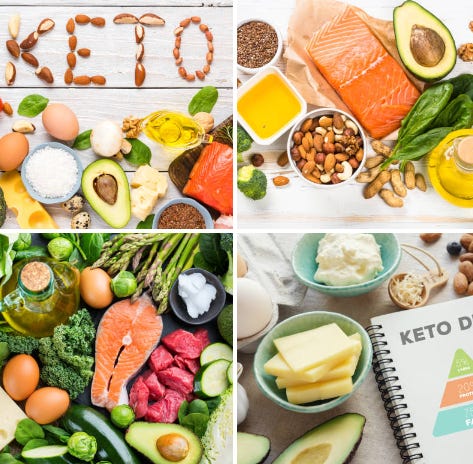
A science-based keto approach is more than simply cutting bread, rice, pasta, and sugar. A balanced keto meal plan focuses on nutritious foods such as eggs, fish, poultry, non-starchy vegetables, avocados, olive oil, nuts, seeds, and moderate amounts of dairy. Instead of relying heavily on processed meats or highly saturated-fat foods, a healthier approach emphasizes a variety of nutrient-dense ingredients. This makes the diet easier to follow and can help you build sustainable eating habits.
What Is a Keto Diet?
The ketogenic diet is a very-low-carbohydrate, higher-fat eating pattern. By substantially reducing carbohydrate intake, the body can enter a metabolic state called ketosis. During ketosis, the body produces ketones from fat and uses them as an alternative energy source.
Traditional ketogenic diets can be quite restrictive, often limiting carbohydrates to a small percentage of total daily calories. The exact amount needed to reach ketosis varies from person to person and can depend on factors such as activity level, food choices, and individual metabolism.
Unlike a general low-carb diet, a ketogenic diet typically requires more careful attention to carbohydrate intake.
What Does a Science-Based Keto Meal Plan Include?
A good Keto Meal Plan Backed by Science should prioritize nutritional quality rather than simply maximizing fat consumption.
1. Quality Protein
Protein is important for maintaining muscles and supporting normal body functions. Keto-friendly protein sources include:
Eggs
Chicken
Turkey
Fish
Seafood
Lean beef
Greek yogurt, when compatible with your carbohydrate target
Tofu and other low-carb plant proteins
Protein intake should be appropriate for your individual needs rather than excessively high or extremely low.
2. Healthy Fats
Fat provides a significant portion of calories on a ketogenic diet. Focus on sources such as:
Avocado
Extra-virgin olive oil
Nuts
Seeds
Natural nut butters
Olives
Fatty fish
Choosing unsaturated fats more often can be a useful strategy for improving the overall nutritional quality of your diet.
3. Low-Carb Vegetables
Vegetables are an important part of a nutritious keto diet. Instead of eliminating vegetables because they contain carbohydrates, focus on non-starchy options such as:
Spinach
Broccoli
Cauliflower
Zucchini
Cucumber
Mushrooms
Asparagus
Cabbage
Bell peppers
These foods provide vitamins, minerals, fiber, and other beneficial plant compounds.

7-Day Keto Meal Plan Example
Here’s a simple example of what a keto meal plan could look like.
Day 1
Breakfast: Scrambled eggs with spinach and avocado
Lunch: Grilled chicken salad with olive oil dressing
Dinner: Baked salmon with roasted broccoli
Day 2
Breakfast: Greek yogurt with a small portion of berries and chia seeds
Lunch: Turkey lettuce wraps with avocado
Dinner: Beef with cauliflower mash and green vegetables
Day 3
Breakfast: Omelet with mushrooms, spinach, and cheese
Lunch: Tuna salad with cucumber and leafy greens
Dinner: Roasted chicken with zucchini and a side salad
Day 4
Breakfast: Eggs with avocado and sautéed vegetables
Lunch: Salmon salad with olive oil and leafy greens
Dinner: Turkey meatballs with zucchini noodles and low-sugar tomato sauce
Day 5
Breakfast: Chia seed pudding made with an unsweetened low-carb milk alternative
Lunch: Chicken and avocado salad
Dinner: Grilled fish with asparagus and cauliflower
Day 6
Breakfast: Vegetable omelet with eggs and cheese
Lunch: Lettuce-wrapped burger with salad
Dinner: Chicken cooked with vegetables and olive oil
Day 7
Breakfast: Eggs with avocado and mushrooms
Lunch: Tuna and cucumber salad
Dinner: Baked salmon with spinach and roasted cauliflower
Portion sizes and macronutrient requirements should be adjusted according to individual energy needs and goals.
Potential Benefits of a Keto Diet
Research has investigated ketogenic diets for several potential applications.
Weight Management
Low-carbohydrate diets can help some people lose weight, particularly when they reduce overall calorie intake. Early weight loss on keto may also include water loss because the body stores carbohydrate as glycogen, which is associated with water.
However, long-term weight management depends on overall dietary intake, physical activity, adherence, sleep, and other lifestyle factors.
Blood Sugar Management
Reducing carbohydrate intake can lower the amount of glucose entering the bloodstream after meals. For this reason, low-carbohydrate and ketogenic diets have been studied in relation to blood sugar control.
People taking medication for diabetes should not significantly change their carbohydrate intake without discussing it with a qualified healthcare professional because medication requirements can change.
Appetite and Fullness
Meals containing adequate protein, fat, and fiber-rich low-carbohydrate vegetables may help some people feel satisfied for longer. This can make it easier to reduce snacking or overall calorie intake.
Individual responses vary, however, and not everyone experiences the same appetite effects.
Foods to Limit on Keto
A typical ketogenic approach significantly limits foods that are high in carbohydrates, including:
Sugary drinks
Candy
Cakes and pastries
Regular soda
Bread
Pasta
Rice
Many cereals
Potatoes
Most refined snack foods
Large portions of sugary fruits
Some foods can fit into a low-carb diet in moderate amounts, so individual carbohydrate targets are important.
Common Keto Mistakes
Eating Too Much Processed Food
Just because a food is low in carbohydrates does not automatically make it nutritious. Processed meats, packaged keto snacks, and heavily refined low-carb products should not replace vegetables, fish, healthy fats, and other whole foods.
Forgetting Fiber
Reducing carbohydrates too aggressively can unintentionally reduce fiber intake. Include plenty of low-carb vegetables, seeds, nuts, and other suitable fiber sources.
Not Drinking Enough Fluids
Changes in carbohydrate intake can affect fluid and electrolyte balance. Adequate hydration is important, especially during the early stages of a ketogenic diet.
Focusing Only on Fat
The keto diet is not simply a license to eat unlimited butter, cheese, or processed meats. A healthier approach emphasizes food quality, variety, and appropriate portions.
Is Keto Suitable for Everyone?
No. Although ketogenic diets can have legitimate medical applications, they may not be appropriate for everyone. People with certain medical conditions, those taking specific medications, pregnant or breastfeeding individuals, and people with a history of eating disorders may need individualized professional guidance.
If you have a medical condition or take medication, consult a qualified healthcare professional before starting a restrictive diet.
Tips for Making Your Keto Meal Plan Easier
Meal preparation can make keto much easier to maintain. Cook several servings of protein in advance, wash and prepare vegetables, and keep convenient foods such as boiled eggs, nuts, seeds, and avocado available.
Reading nutrition labels is also helpful. Pay attention to total carbohydrates, serving sizes, added sugars, and fiber rather than relying only on marketing terms such as “keto-friendly.”
Most importantly, create meals you actually enjoy. A sustainable eating pattern should be practical enough to follow consistently.

Frequently Asked Questions
How many carbs can I eat on keto?
There is no universal carbohydrate limit that works for everyone. Many traditional ketogenic diets use very low carbohydrate targets, often around 20–50 grams of net carbohydrates per day, but individual requirements vary.
Can I eat fruit on keto?
Small portions of lower-carbohydrate fruits, such as berries, may fit into some ketogenic meal plans. Portion size and your overall daily carbohydrate intake matter.
Is keto good for weight loss?
A ketogenic diet can help some people lose weight, especially when it creates a sustainable calorie deficit. However, it is not necessarily superior to every other dietary approach for long-term weight loss.
Can I drink coffee on keto?
Plain coffee is generally very low in carbohydrates. Be careful with sugar, sweetened creamers, syrups, and other additions that can significantly increase carbohydrate intake.
What should I eat for breakfast on keto?
Popular options include eggs with vegetables, omelets, avocado, unsweetened Greek yogurt with appropriate toppings, or chia-based dishes that fit your carbohydrate target.
Conclusion
A Keto Meal Plan Backed by Science should focus on more than simply eliminating carbohydrates. The strongest approach is to build meals around nutrient-dense foods, adequate protein, healthy fats, non-starchy vegetables, and appropriate portions.
Whether your goal is weight management, improved dietary structure, or exploring a lower-carbohydrate eating pattern, planning your meals in advance can make the process easier. Remember that individual nutritional needs differ, and a ketogenic diet is not appropriate for everyone. If you have a medical condition or take medication, professional guidance is especially important before making major dietary changes.

#healthyfoodclosetome #healthyfoodnearme #healthyfood #healthyfoodandrecipe #highfiberdietfood #balancedhealthydietforweightloss #healthydietforloseweight #ketodiet #dietketodiet #ketodietmealplan #pintrest #pintrestpintrest #diet meal #affiliatemarketing #food
Ready to explore a practical keto meal plan? Check out the recommended keto meal plan here. Click Here


Comments
Post a Comment